Summer is finally winding down, and the leaves are starting to turn. The evenings are getting cooler, and before long, jackets will be coming out and windows will be closing for good. Fall has a way of sneaking up, and so does the maintenance that comes with it.
That is exactly why this checklist exists. A little work now saves a lot of stress later, and there is something satisfying about getting a home ready for the colder months ahead.
Outside the Home
The outside of a home takes the biggest beating during fall and winter, so it makes sense to begin there.
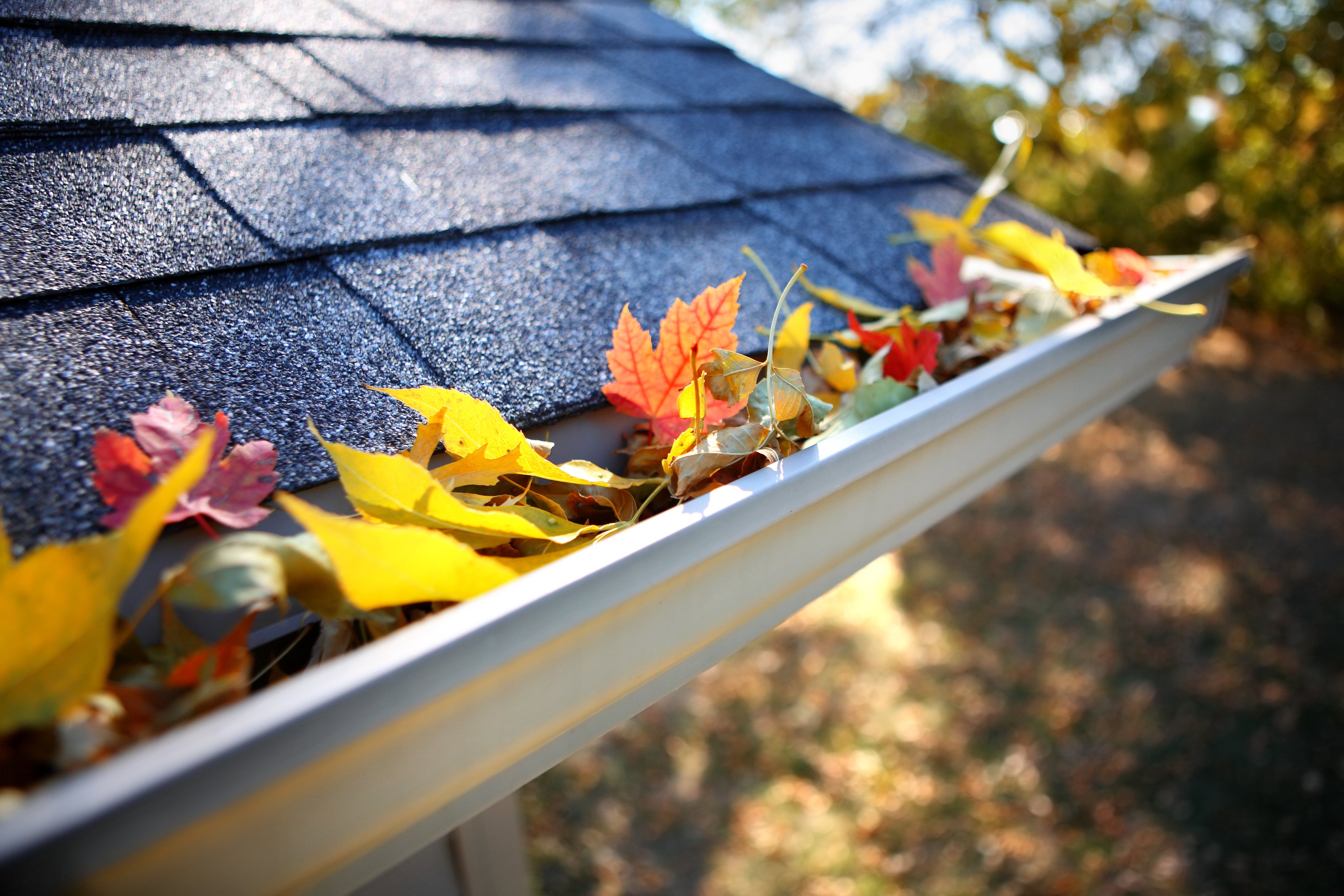
Clean out the gutters. This is the one nobody wants to do, but it matters. Leaves and debris pile up fast, and clogged gutters lead to water damage, ice dams, and foundation problems down the line. Anyone comfortable on a ladder can handle this with gloves and a bucket. If not, there is no shame in calling a professional. Either way, do it before the first hard freeze.
Inspect the roof. No need to climb up there. A pair of binoculars from the ground works fine. Look for missing or curling shingles, damaged flashing around the chimney, and any spots that look worn. Catching a small problem now beats discovering a leak during the first snowstorm.
Trim back branches. Any tree limbs hanging over the roof, driveway, or power lines should be cut back. Snow and ice make brittle branches heavy, and heavy branches snap. A little pruning now keeps them from coming down where they are not wanted.
Drain outdoor faucets and hoses. Disconnect garden hoses, shut off the outdoor water supply if there is a separate valve, and drain any remaining water from the pipes. Frozen water expands, and that expansion cracks pipes. This five-minute job can prevent a very expensive spring repair.
Bring in or cover outdoor furniture. Cushions, umbrellas, and anything fabric should come inside. Metal and wood furniture can stay out if it is covered properly, but a clean, dry storage spot will extend the life of everything.
Inside the Home
Once the exterior is handled, shift attention indoors. This is where most of the colder months will be spent, so it is worth making the space comfortable and efficient.
Schedule a furnace or heating system check. If the heating system has not been serviced in the last year, book it now. HVAC professionals get busy as soon as the weather turns, and nobody wants to be waiting in a cold house for an available appointment. A tuned-up system also runs more efficiently, which shows up on the energy bill.
Change the air filters. This is the easiest thing on the list, and people forget it all the time. A fresh filter helps a heating system run smoothly and improves the air everyone is breathing. Swap them out every one to three months depending on the household.
Check windows and doors for drafts. On a breezy day, walk around the home and hold a hand near the edges of windows and exterior doors. If cold air is coming through, heat is escaping. Weatherstripping and caulk are cheap, and applying them is a quick weekend project that pays for itself.
Test smoke and carbon monoxide detectors. Fall is the season when heating systems, fireplaces, and candles all come back into use. Make sure every detector has fresh batteries and is working properly. If any unit is more than ten years old, replace it entirely.
Reverse the ceiling fans. If the fans have a reverse switch, flip it so the blades run clockwise. This pushes warm air down into the room instead of pulling it up. It is a small change that can make a noticeable difference in comfort and heating costs.
Do Not Forget the Garage and Vehicles
A few quick tasks here will make winter mornings a lot less painful.
Check the tires. Cold weather drops tire pressure, so check them and top them off if needed. For anyone living somewhere with harsh winters, this is also the time to think about swapping in winter tires. Worn tread is dangerous on icy roads, so inspect it honestly.
Top up the winter fluids. Make sure the vehicle has enough antifreeze and that the wiper fluid is rated for freezing temperatures. Nobody wants to find out the hard way that it is not.
Assemble or refresh a winter car kit. A blanket, an ice scraper, a flashlight with batteries, jumper cables, and some nonperishable snacks. If one already exists, check that everything is still in good shape. It takes ten minutes to put together and will be a relief to have if it is ever needed.
Organize the garage so a vehicle can actually park inside. If the garage has become a summer storage unit, spend an afternoon clearing it out. Parking inside protects a vehicle from ice and snow, and it saves the hassle of scraping frozen windshields on freezing mornings.
A Few Easy Wins
These last items are quick but easy to overlook.
- Stock up on ice melt or sand before the first storm hits. Store shelves empty fast once the weather turns.
- Service the snow blower or make sure the shovel is in good shape. It is better to know it works before it is needed.
- Check the attic insulation. If it has settled or thinned out, adding more is one of the best investments a homeowner can make in energy efficiency.
- Clean and inspect the fireplace and chimney. If it will be used this season, have a professional check for creosote buildup and blockages. A clean chimney is a safe chimney.
Going through this list might feel like a lot, but it is really just a handful of small tasks spread over a few weekends. By the time the real cold arrives, the work will already be done!
Here is to a warm, dry, and worry-free season.